Same-Day Crowns: What Actually Happens in One Visit
No temporary crown, no impression putty, no second appointment. Here's why a tooth ends up needing a crown, how a crown gets designed and milled while you wait, and when the traditional two-visit route still makes more sense.
By Dr. Brandon J. Wolf, DMD · October 22, 2026 · 7 min read
Why a tooth needs a crown in the first place
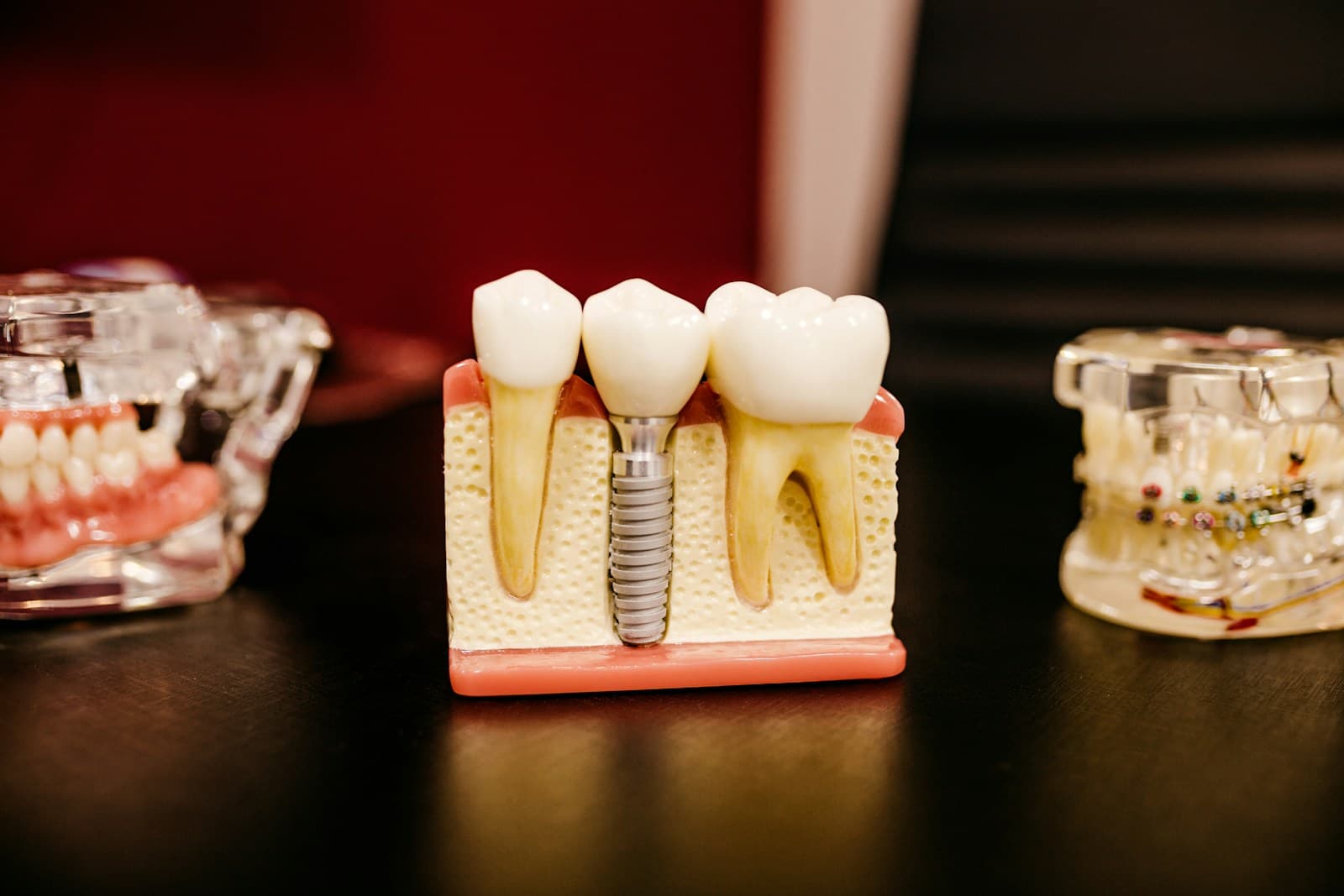
A crown is a cap that covers the entire visible part of a tooth, from the chewing surface down to the gumline. It isn't the first thing we reach for. A filling patches part of a tooth; a crown takes over when there isn't enough healthy tooth left for a patch to hold.
The American Dental Association and Cleveland Clinic list the same handful of reasons. A large old filling has left thin walls that are starting to crack. Decay has spread too far for a filling. A tooth has been treated with a root canal and now needs protection. Or a tooth has simply worn down.
- A cracked tooth that needs to be held together
- A large filling with not enough tooth left around it
- A tooth that's worn down or broken
- Protection after a root canal
- Covering a dental implant
- Anchoring a dental bridge
- A badly stained or misshapen tooth
The traditional route takes two visits and a temporary
For decades, getting a crown meant two appointments. At the first one, the tooth is shaped and an impression is taken, often a tray of putty you hold in your mouth until it sets. The impression goes to an outside dental lab, and you leave with a plastic temporary crown.
The lab typically needs 2 to 3 weeks, sometimes longer. During that stretch you're living with a temporary crown, usually made of resin or acrylic. It isn't meant to last, so you have to be careful with that side of your mouth. Then there's a second visit: the temporary comes off, the permanent crown's shape, color, and fit are checked, and it's cemented in place.
That process works, and it's still the right call for some teeth. It's just a lot of time, two rounds in the chair, and a few weeks of being careful with one side of your mouth.
How a same-day crown is made while you wait
At our Lutz office on Pointe Village Drive we use CEREC, a computer-aided design and manufacturing (CAD/CAM) system that lets us design and make the crown right here instead of sending it out. The whole visit usually wraps up in a few hours.
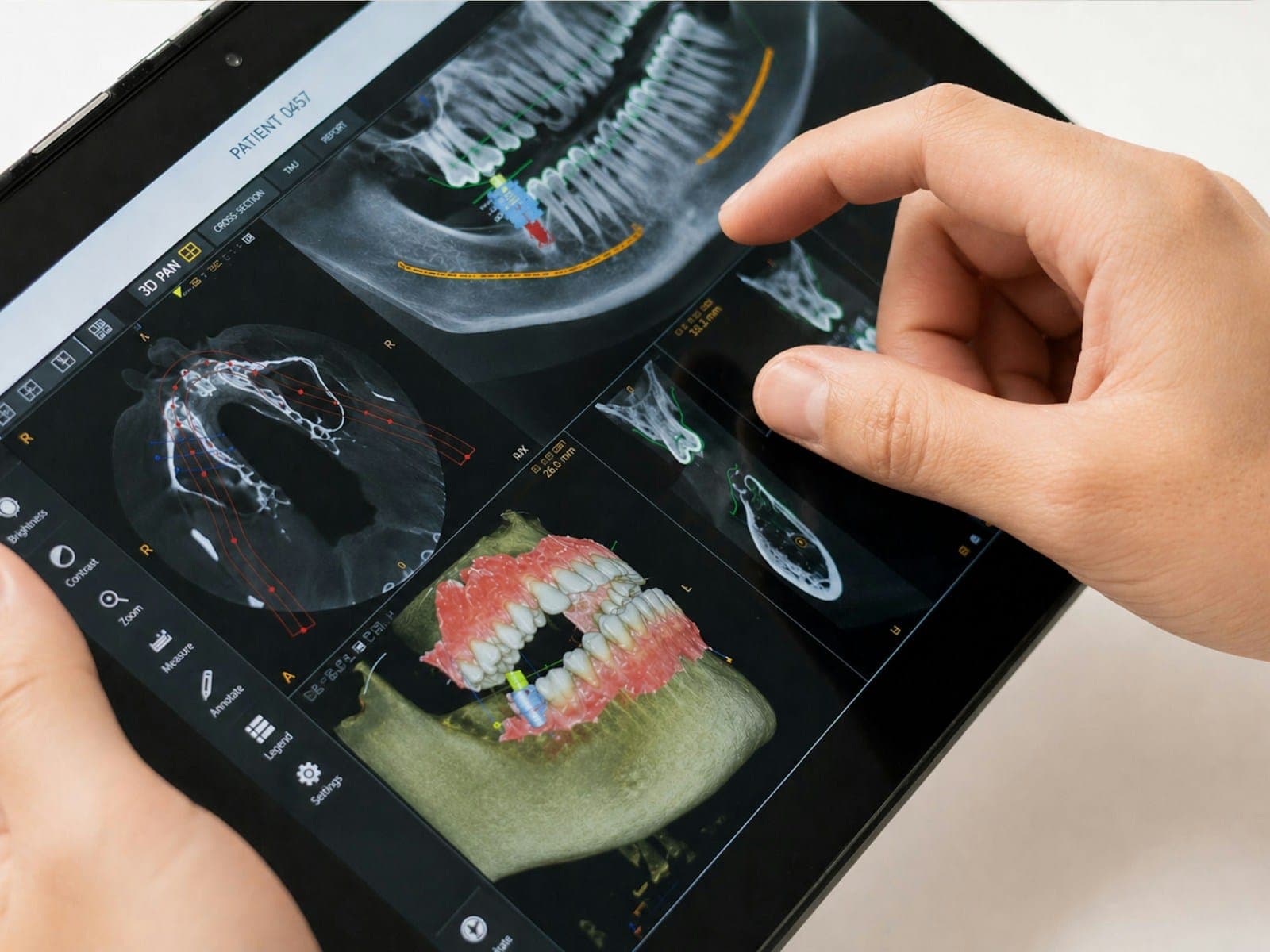
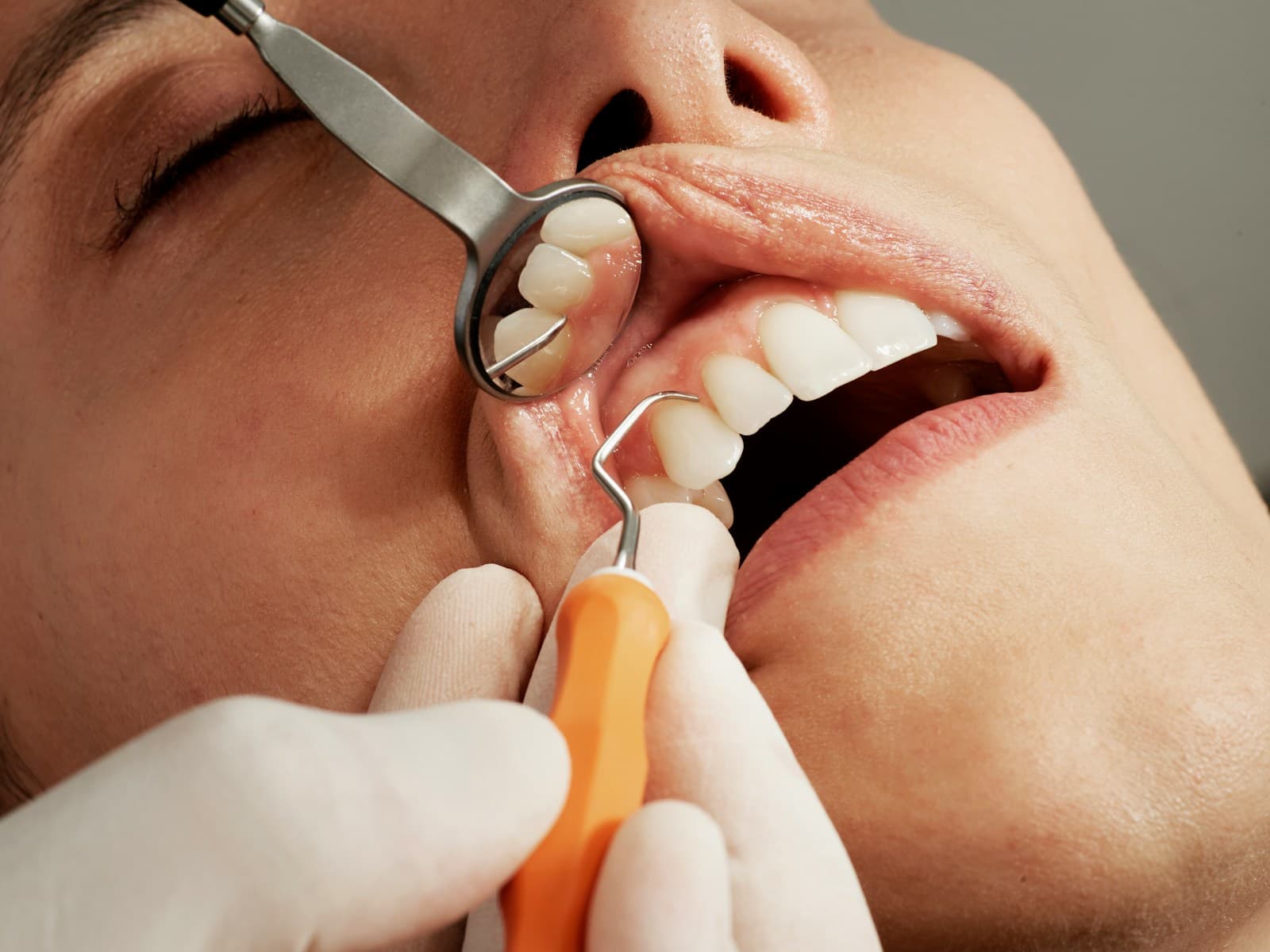
- Evaluation: we examine the tooth and review digital X-rays to confirm it's a good candidate.
- Preparation: after numbing, any decay or damaged structure is removed and the tooth is shaped.
- Digital scan: a small handheld camera captures a 3D model of the tooth. No putty or trays.
- Design: the crown is designed on screen to fit your bite and match the shape of the teeth beside it.
- Milling: an in-office milling unit carves the crown from a solid block of tooth-colored ceramic.
- Fit and bond: we check the fit and your bite, polish it, and bond it in place before you leave.
Choosing the right crown material
There's no single best crown material, only the right one for the job a particular tooth has to do. Front teeth need to look like natural enamel up close. Back molars need to stand up to heavy chewing force.
Metal crowns (gold or other alloys) rarely chip or break, last the longest in terms of wear, and need only a small amount of enamel removed, but most people don't want metal showing. Porcelain-fused-to-metal crowns pair a metal base with a tooth-colored surface, though the porcelain layer can chip. All-ceramic and porcelain crowns give the most natural look and suit people with metal allergies, and zirconia, a very strong ceramic, holds up well on molars while still taking a natural shade.
We'll walk you through which material fits your tooth, your bite, and your budget during the exam.
Is every tooth a candidate for same-day?
Not always, and we'd rather tell you that up front. As Cleveland Clinic puts it, same-day crowns aren't for everyone. In our experience, a tooth that needs major rebuilding first, or a complicated bite, is sometimes better served by a lab-made crown.
We'll tell you during your exam whether your tooth qualifies. If it doesn't, the traditional route is still a good, proven option, and we'll explain why we're recommending it.
What the first few days feel like
According to Cleveland Clinic, most people can return to normal activities right away. Because the permanent crown is bonded the same day, there's no fragile temporary to protect.
Some sensitivity to hot and cold for the first couple of weeks is normal, and any gum soreness around the tooth usually fades within a few days. Over-the-counter pain relievers help if you need them. Wait until the numbness wears off before eating so you don't bite your cheek or tongue.
Making your crown last
According to Cleveland Clinic, crowns commonly last 5 to 15 years with proper care, and some last far longer. The tooth under a crown can still decay, especially along the edges, and a crown that doesn't fit well can trap bacteria, so the gumline around it needs the same brushing and flossing as the rest of your teeth.
Call us if a crown ever feels loose, cracks or chips, leaves a bad taste, or has a sharp edge rubbing your tongue or gums. Small problems are much easier to fix early.
- Brush twice a day with fluoride toothpaste and a soft brush
- Floss once a day, including around the crown's edges
- Skip chewing ice, popcorn kernels, and very hard nuts
- Go easy on very sticky foods like caramel
- Ask about a custom nightguard if you grind or clench
- Keep up regular cleanings and exams
Frequently asked questions
How long does a same-day crown appointment take?
The whole process usually wraps up in a few hours in a single visit, since the scanning, design, and milling all happen while you're here. We'll give you a time estimate when we book it.
Are same-day crowns as strong as lab-made crowns?
They're milled from solid blocks of high-strength ceramic and designed to handle normal chewing. Whether same-day or lab-made is better for a particular tooth depends on the tooth and your bite, which is what we assess during the exam.
Does a same-day crown look natural?
Yes. It's tooth-colored ceramic, shaped and shaded to blend in with the teeth around it, so there's no dark metal line at the gumline.
Is getting a crown painful?
The tooth is numbed before we start, so most people feel pressure rather than pain. Some sensitivity and gum soreness for a few days afterward is normal.
Will my insurance cover a same-day crown?
Coverage depends on your plan. Our team can check your benefits before treatment so you know what to expect.
Ready to talk about your smile?
We'll take a look, walk you through what's going on, and lay out your options before anything happens.