Periodontal Care
in Lutz, FL
Treatment for gum disease that protects the bone underneath.
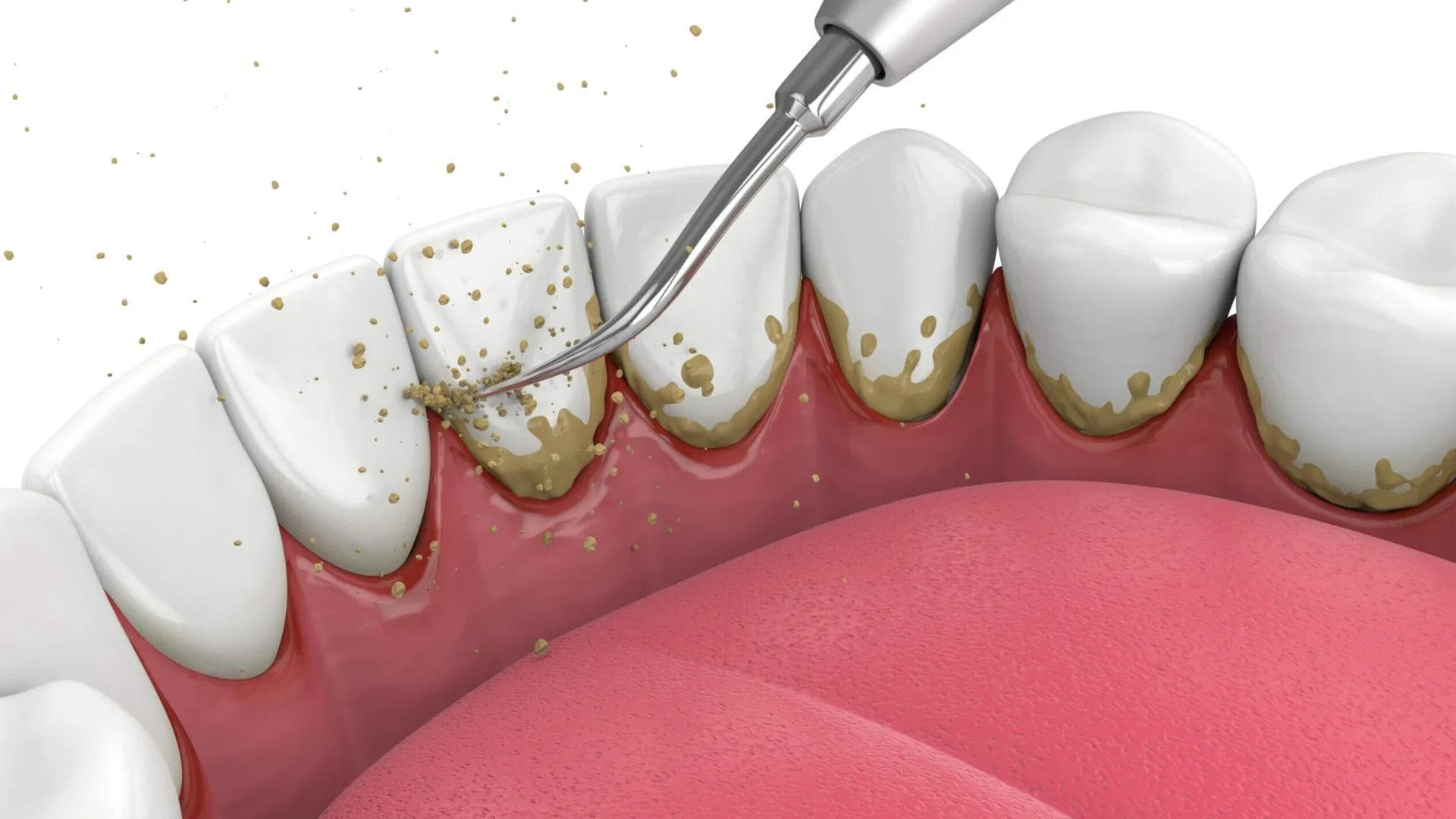
Healthy gums are the foundation of a healthy smile. Our periodontal care is built to prevent, diagnose, and treat gum disease at every stage, protecting your teeth and the bone that supports them.
Treatments we offer
If you're noticing bleeding, swollen, or tender gums, don't wait for it to get worse. We tailor every treatment plan to where you are, whether that's early gingivitis or more advanced periodontal disease. If you have diabetes, a family history of gum disease, or you're just noticing changes in your gums, schedule a consultation at our Lutz, FL office.
- Scaling and root planing: a deep-cleaning procedure that removes plaque and tartar above and below the gumline. For deeper pockets, we may place Arestin, a localized antibiotic, to help fight the infection directly.
- Crown lengthening: removes gum and bone tissue to expose more of the tooth, either to prepare it for a new crown or, cosmetically, to correct a "gummy smile."
- Gingivectomy: also known as gum contouring, this procedure changes the shape of the gumline to improve the look of your smile.
How gum disease progresses
The earlier gum disease is caught, the simpler it is to treat, which is exactly why gum health is checked at every routine cleaning, not just when something already feels wrong.
- Gingivitis: the earliest stage, caused by plaque buildup along the gumline. Gums may be red, swollen, or bleed when you brush, but the bone underneath hasn't been affected yet. This stage is reversible with a good cleaning and improved home care.
- Early to moderate periodontitis: without treatment, the infection moves below the gumline, breaking down the tissue and bone that hold teeth in place, and pockets form between the teeth and gums.
- Advanced periodontitis: significant bone loss can lead to loose teeth and, eventually, tooth loss if it goes untreated.
Maintaining your results
- Patients treated for gum disease typically move to more frequent maintenance cleanings, often every three to four months instead of the usual six, to keep the infection from returning.
- Consistent brushing and flossing at home matters even more after treatment, since periodontal disease is a chronic condition that's managed, not "cured" once and forgotten.
- Controlling related health factors, like blood sugar for patients with diabetes, and not smoking, both significantly improve how well gum treatment holds up over time.
Frequently Asked Questions
What treatments are offered for gum disease?
Scaling and root planing (a deep clean above and below the gumline, with a localized antibiotic called Arestin for deeper pockets), crown lengthening, and gingivectomy (gum contouring).
What are signs of gum disease I shouldn't ignore?
Bleeding, swollen, or tender gums.
Who's at higher risk for gum disease?
Patients with diabetes or a family history of gum disease.
What's the difference between gingivitis and periodontitis?
Gingivitis is the earliest stage, plaque-related inflammation that's still reversible with a good cleaning and better home care. Periodontitis is what happens if it's left untreated: the infection moves below the gumline and starts breaking down the bone and tissue that hold teeth in place.
How often do I need cleanings after gum treatment?
Typically every three to four months instead of the usual six, to keep the infection from returning — periodontal disease is managed long-term rather than cured once and forgotten.